
Assuring Purity and Nutrition in Every Drop: Dairy Testing Excellence
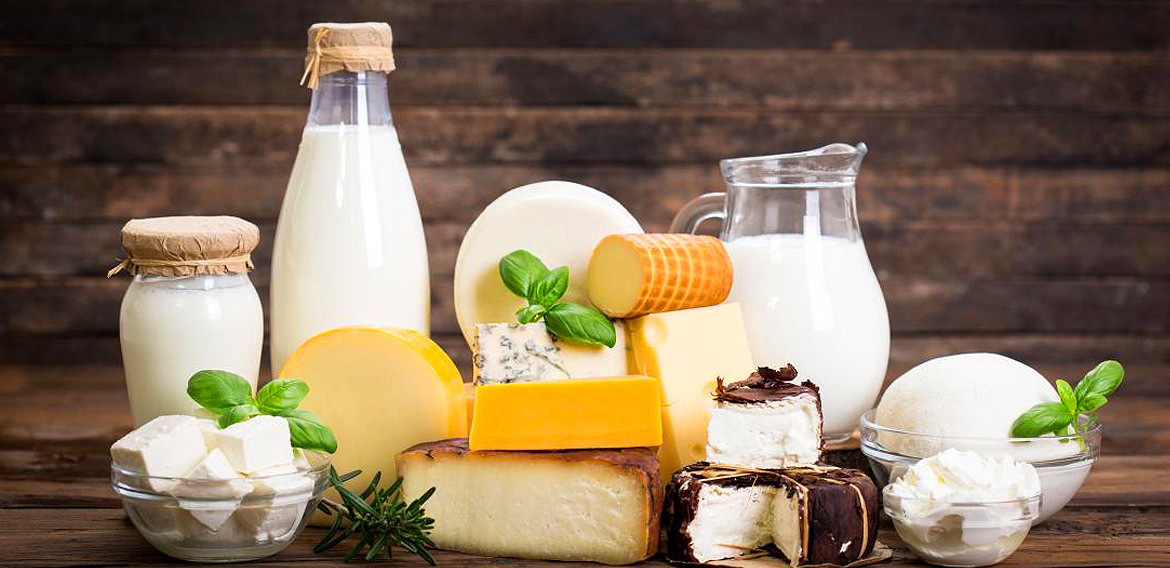
Milk and dairy products are foundational to the daily diet, but they are also among the most vulnerable to adulteration and contamination. In today’s market, consumers are increasingly concerned about “synthetic milk” and products laced with harmful substances like urea, detergents, starch, or vegetable fats used to increase volume and fat content artificially. Additionally, dairy products are highly perishable; if not handled correctly, they can become breeding grounds for dangerous pathogens such as E. coli, Listeria, and Salmonella. Without rigorous scientific testing, it is impossible to guarantee that the milk, ghee, cheese, or milk powder being sold is pure, safe, and nutritionally intact.
Testing dairy products is essential to protect public health and maintain the integrity of the dairy supply chain. Analytical testing allows for the precise measurement of milk fat, solids-not-fat (SNF), and protein levels, ensuring that products meet strict FSSAI standards. Beyond basic nutrition, it is vital to screen for antibiotic residues, pesticides, and aflatoxin M1—contaminants that often enter the milk through cattle feed. For manufacturers and processors, regular testing is the only way to verify that their pasteurization and sterilization processes are effective, ensuring a longer shelf life and preventing costly product spoilage or regulatory penalties.