

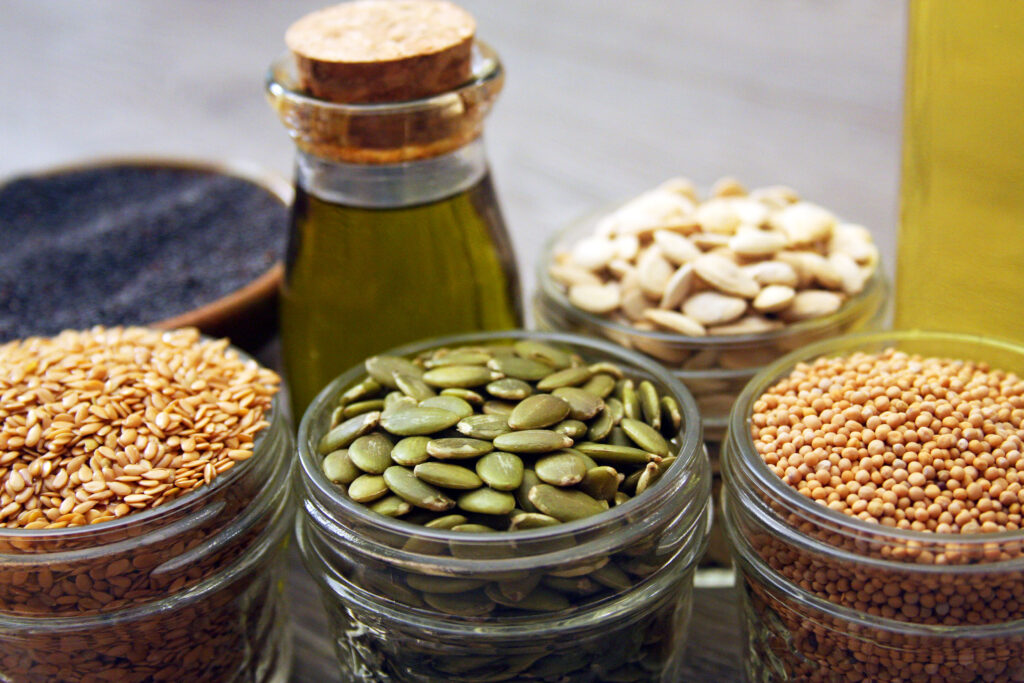
Maximizing Yield and Ensuring Quality in Oil Seeds
Oil seeds are a vital agricultural commodity, serving as the foundation for the edible oil and food processing industries. However, sourcing high-quality oil seeds in today’s market presents a complex challenge. Buyers often encounter products with inconsistent quality, mixed inferior varieties, high moisture content, and contamination from dust or extraneous matter. Furthermore, poor harvesting and improper storage practices frequently lead to rancidity, pest infestation, or the growth of harmful molds, severely impacting both the yield and the quality of the final extracted oil.
To navigate these market inconsistencies, thorough testing of oil seeds is absolutely essential before processing or trading. Analytical testing determines critical parameters such as exact oil content percentage, moisture levels, free fatty acids (FFA), and the presence of hidden threats like pesticide residues and aflatoxins. For extractors, traders, and food manufacturers, rigorous testing is the only way to ensure optimal oil yield, prevent financial losses from purchasing substandard raw materials, and maintain strict compliance with FSSAI and other international food safety regulations.